Amatriciana in Rome: from old-school bucatini to the kosher version
Between a list recited from memory and a recipe explained ingredient by ingredient, the restaurateurs tell of a dish that almost everyone names and few stop to describe.
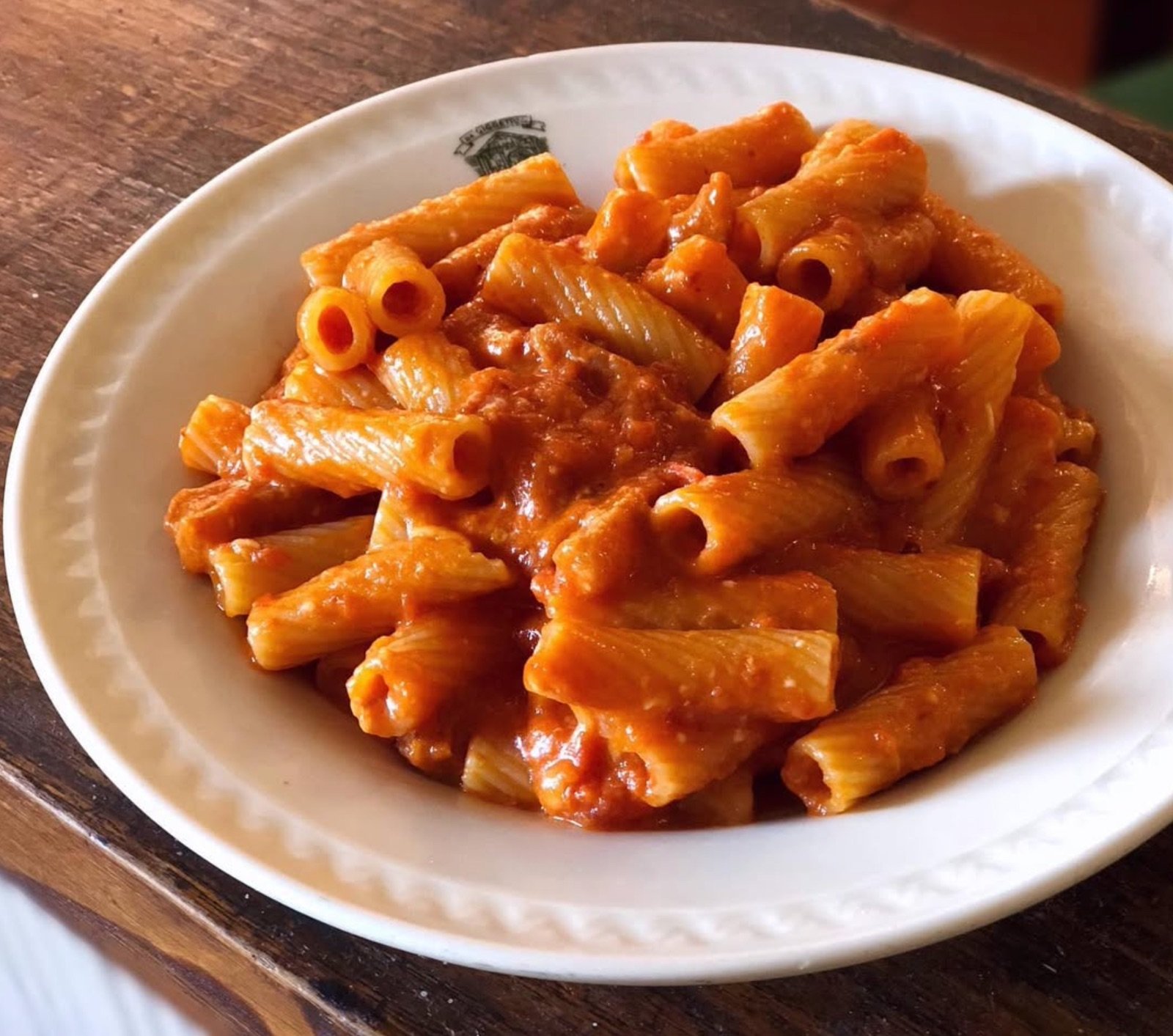
There's a dish that in Roman cooks' lists almost always comes last, after carbonara, gricia and cacio e pepe, as if the name alone were enough to make it recognized. When someone stops to tell its story, amatriciana reveals more than its place in line would suggest: a precise recipe, a claim of fidelity, even a variation that changes the ingredient everyone would take for granted. Here's what the restaurateurs say, in their own words, and what you then find on the menu.
A name that comes up in every list of Roman cuisine
In most accounts amatriciana needs no introduction: it's enough to name it within the sequence of Roman first courses, as if it were an obligatory stop before moving on to something else.
«In this restaurant the most popular dish is definitely carbonara, followed by gricia, cacio e pepe, amatriciana.»

The same pattern shows up elsewhere, with a list that barely changes: carbonara, amatriciana, cacio e pepe, gricia, in an order that varies from place to place but rarely opens up to explain how it's made.
Rigatoni, tomato, guanciale: the recipe told out loud
At Giggetto al Portico d'Ottavia, in the rione Sant'Angelo, the amatriciana steps out of the list and becomes the star of its own story, with the ingredients spelled out one by one.
«Rigatoni amatriciana. Tomato, guanciale, pecorino and a touch of spice. Good, simple, quality ingredients. Come and taste it.»

It's the only account that lingers on the spice, usually taken for granted like the pepper in carbonara: here it becomes part of the description, not just a detail left to whoever orders.
The way it used to be made: faithfulness to tradition
At Trattoria da Luigi, in Ponte, the amatriciana has a story all its own, dedicated not to the ingredients but to an idea of continuity: Giuseppe Nardiello claims he hasn't changed a thing.
«Amatriciana, we make it the way it used to be made, no strange novelties, just what's needed and done the right way. Taste it and you'll feel the difference.»

Of all these accounts, it's the only one to turn tradition into an explicit argument, almost a challenge to whoever makes it differently.
Kosher amatriciana, without guanciale
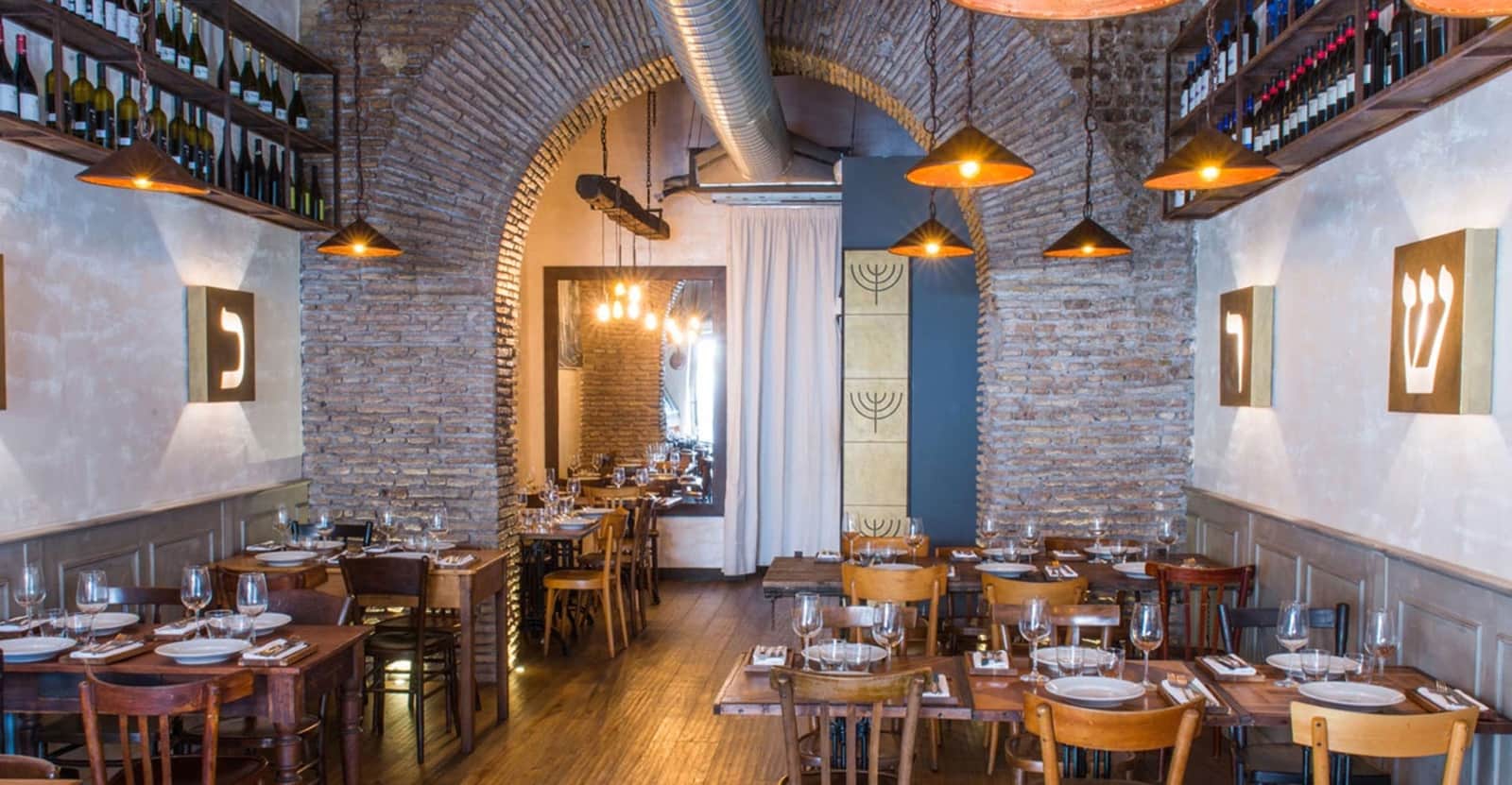
At Renato al Ghetto, also in Sant'Angelo, the sharpest variation isn't the pasta shape but the meat: the rules of kosher cooking rule out guanciale.
«You can try our kosher amatriciana, made with pieces of dried meat instead of guanciale.»

On the menu the dish is called exactly Amatriciana Kosher, at €14: the same price as the Bucatini all'Amatriciana at Trattoria da Luigi, and two euros more than at Piccolo Abruzzo.
From bucatini to paccheri: how much pasta can share the same sauce
The name of this dish changes its pasta shape more often than its seasoning. Bucatini all'Amatriciana are the most common version, found in seven places, with prices ranging from €12 to €27. Alongside them, the word Amatriciana alone, with no pasta shape specified, appears in four places between €11 and €14. From there the variety widens: rigatoni (sometimes paired with gricia in the same dish), tonnarelli, paccheri, homemade mezze maniche, even a thick spaghettone of fresh pasta. On some menus you also find versions the voices don't mention: an amatriciana with smoked goose breast, a seafood variant with anchovies and pecorino, and red amatriciana pizzas from L'Oste del Boschetto, where the dish is no longer a first course but a pizza.
Between a recited list and a fully explained recipe, amatriciana proves itself a dish of few words: when cooks use more of them, it's to defend a faithful version or to explain why they've changed it.
In the menus of the places that talk about it
Prices are those listed in the menus of the places on Menu di Roma, and update along with the menus.
Also on the menu at I Butteri rigatoni all'amatriciana 10 € · L'Oste del Boschetto amatriciana 11 € · Fattoincasa by La Danesina bucatini all'amatriciana 12 € · L’Archetto II amatriciana 13 € · Ivo a Trastevere bucatini all'amatriciana 13 € · La Soffitta Renovatio amatriciana 13 € · Suburra 1930 rigatoni all'amatriciana / gricia 13 € · La Buca di Ripetta bucatini all'amatriciana 13 € · Consolini amatriciana 14 € · Il Giardino Romano bucatini amatriciana 14 € · Piccolo Arancio rigatoni alla "amatriciana" 15 € · Il Focolare paccheri alla amatriciana 15 € · Porto di Ripetta mezze maniche fatte in casa all'amatriciana 15 € · Ba’Ghetto Milky strozzapreti all'amatriciana di mare con alici e pecorino 16 € · Da Cesare spaghettoni di pasta fresca, alla amatriciana 16 € · Ba Ghetto bucatini all'amatriciana con petto d'oca affumicato 16 € · Ristorante Ar Galletto bucatini all'amatriciana 18 € · Ristorante Roof Garden Hotel Forum bucatini all'amatriciana 27 €
Written by the Menu di Roma editorial team with the support of AI tools. Quotes are the words spoken by restaurant owners in the voice messages published on their pages: we’ve only corrected the errors of automatic transcription. Each one’s full story is on their page.
Read also
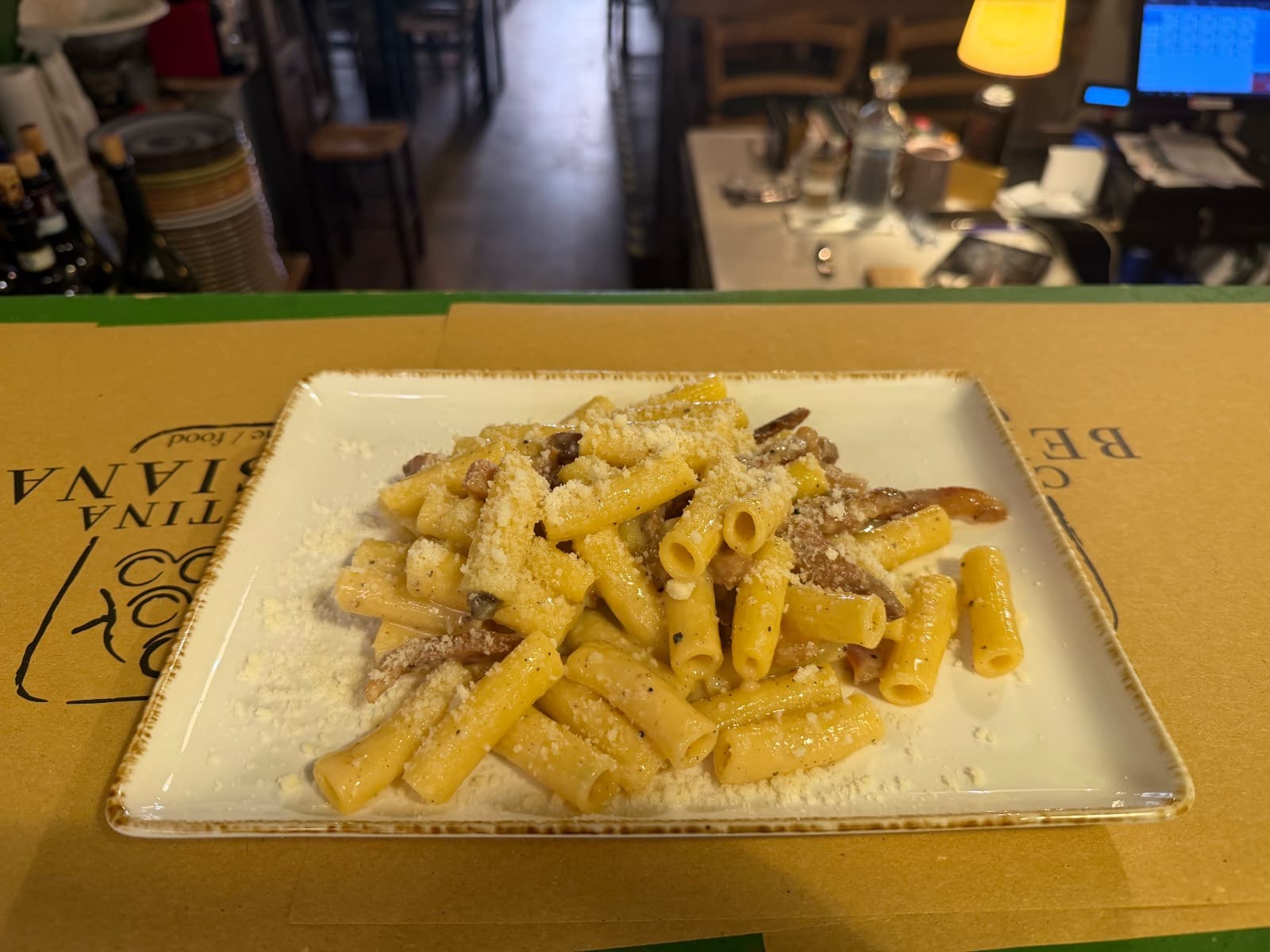
Carbonara, as told by the people who make it
Guanciale, eggs, pecorino: the people who cook it explain it in a single line. No one mentions cream, almost no one describes their method, and everyone swears theirs is better than anyone else's.
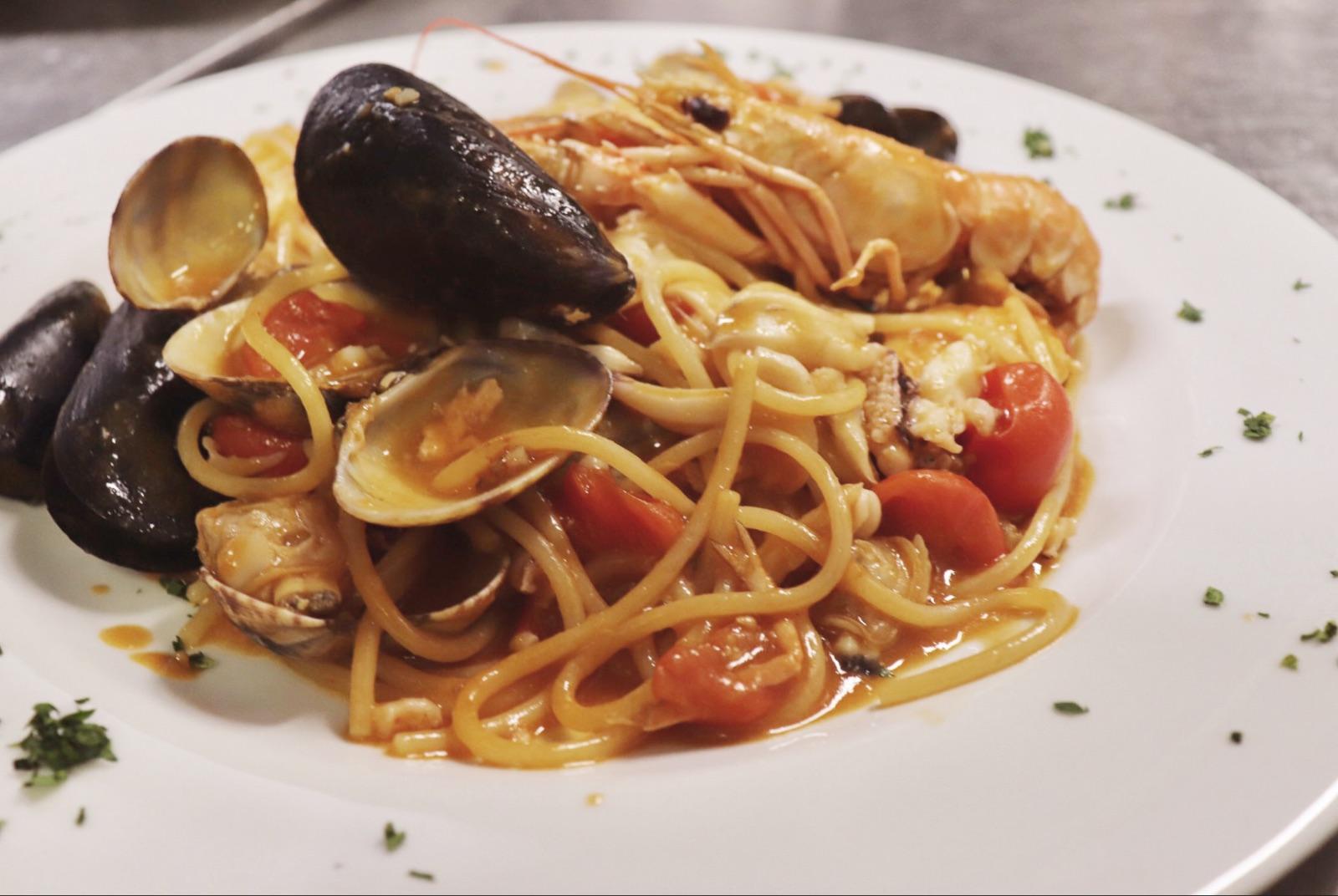
Clams that don't like to be alone
In chefs' stories they almost always show up with mussels, prawns and artichokes. On the menu, though, plain spaghetti alle vongole is alive and well.
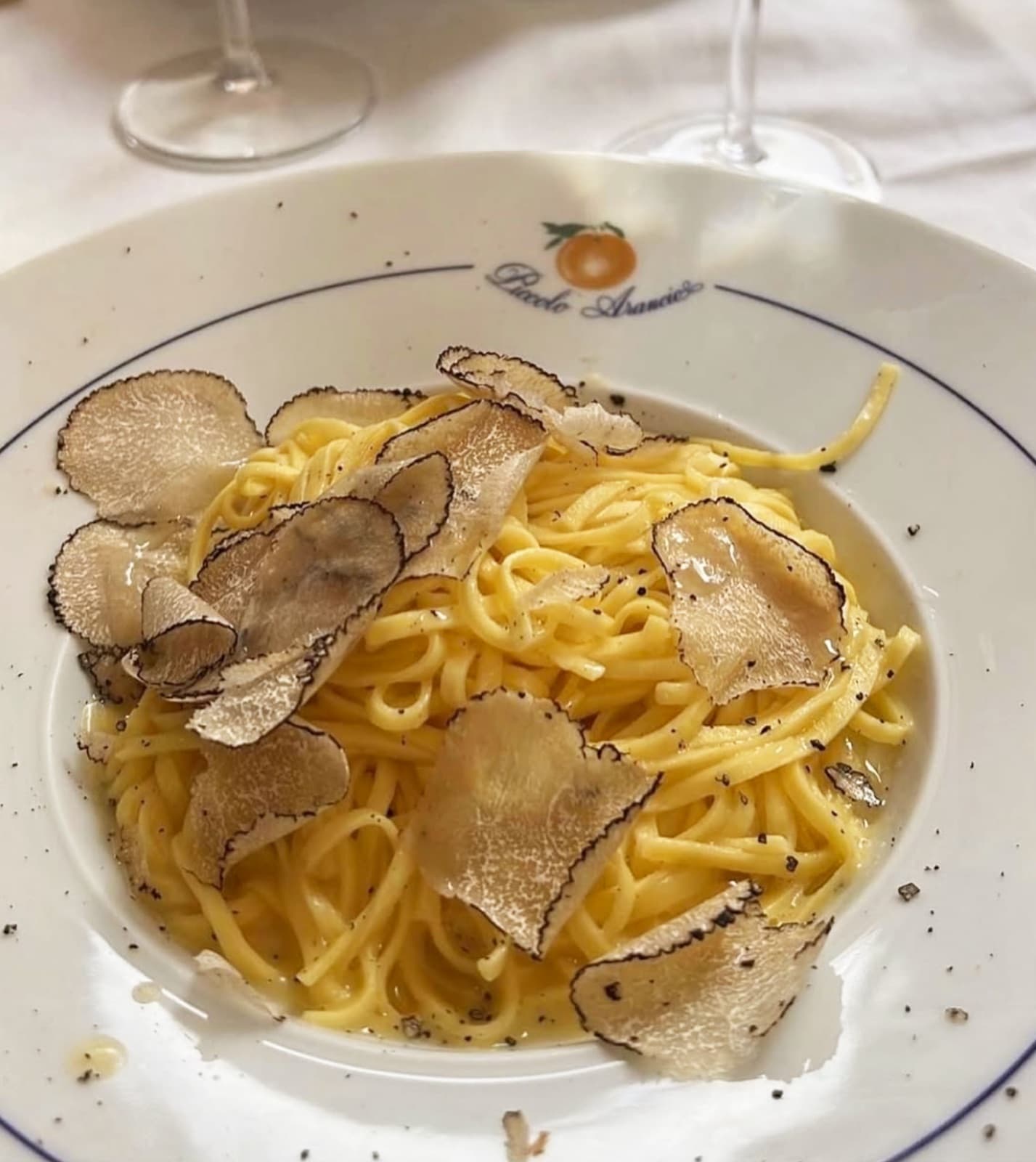
Autumn, scented with truffle
From the diggers who bring it in every morning to the homemade tagliolino: when the season arrives, truffle announces itself in Roman kitchens like an awaited guest.