Carbonara, as told by the people who make it
Guanciale, eggs, pecorino: the people who cook it explain it in a single line. No one mentions cream, almost no one describes their method, and everyone swears theirs is better than anyone else's.
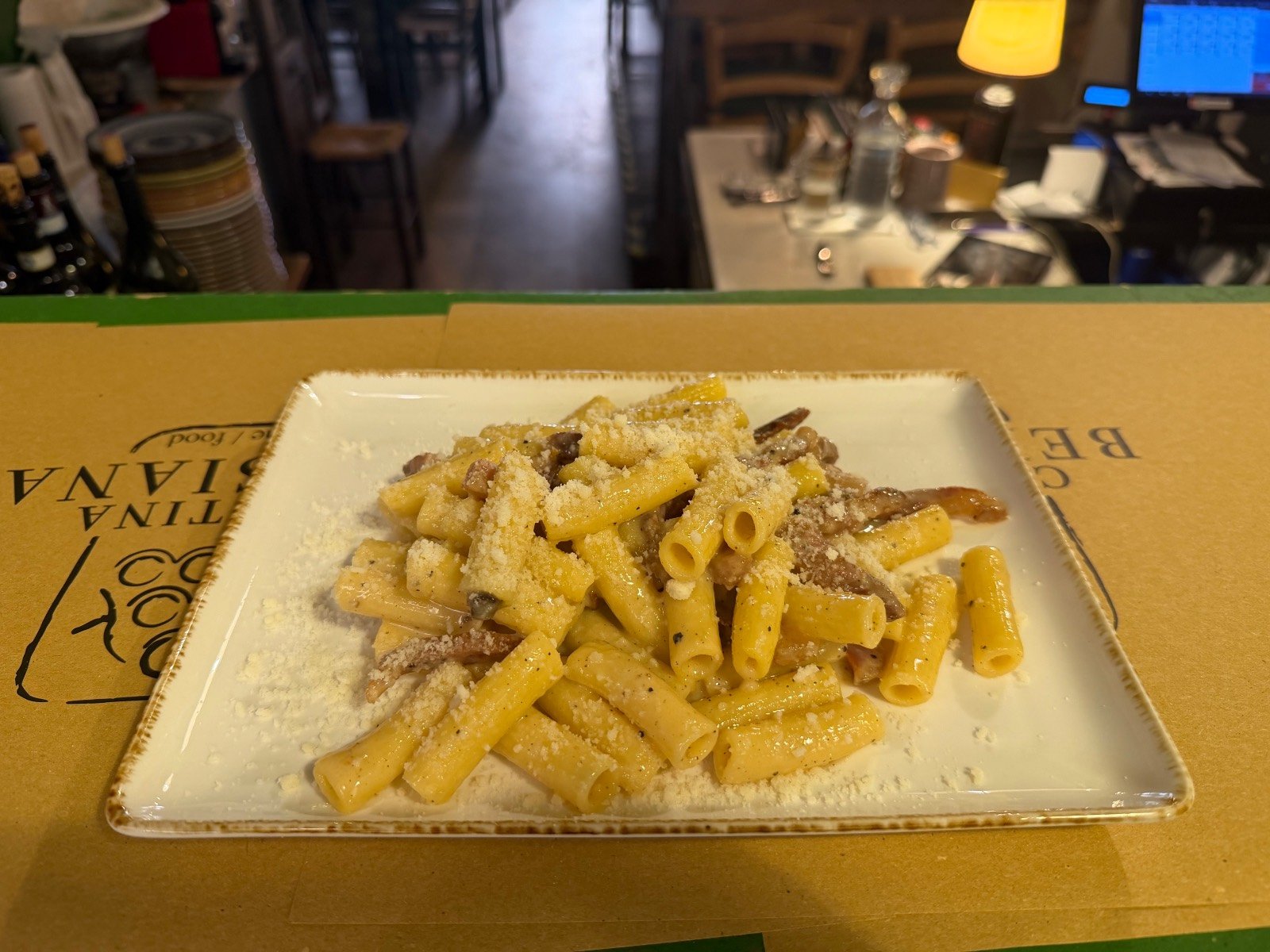
In Rome, carbonara isn't a recipe: it's a question every cook has already answered. For this piece we didn't ask anyone anything. We simply listened to what restaurateurs said on their own, recording a voice note to introduce their place, their menu, or the dish of the day. Carbonara comes up in twenty-one of those recordings. Here's what they say, in their own words.
Three ingredients, and no one mentions cream
Those who cook it every day explain it in a single line. Whenever someone stops to describe how carbonara is made, the list is always the same: guanciale, eggs, pecorino. The pasta counts as an ingredient for some; no one ever mentions the pepper, taken for granted the way salt is in the pasta water.
«A good carbonara, carbonara is very simple. Three ingredients: guanciale, pasta, egg. Then, if you want, you can add pecorino too: I forgot the fourth one. Anyway, who cares, you'll eat it even without the cheese.»
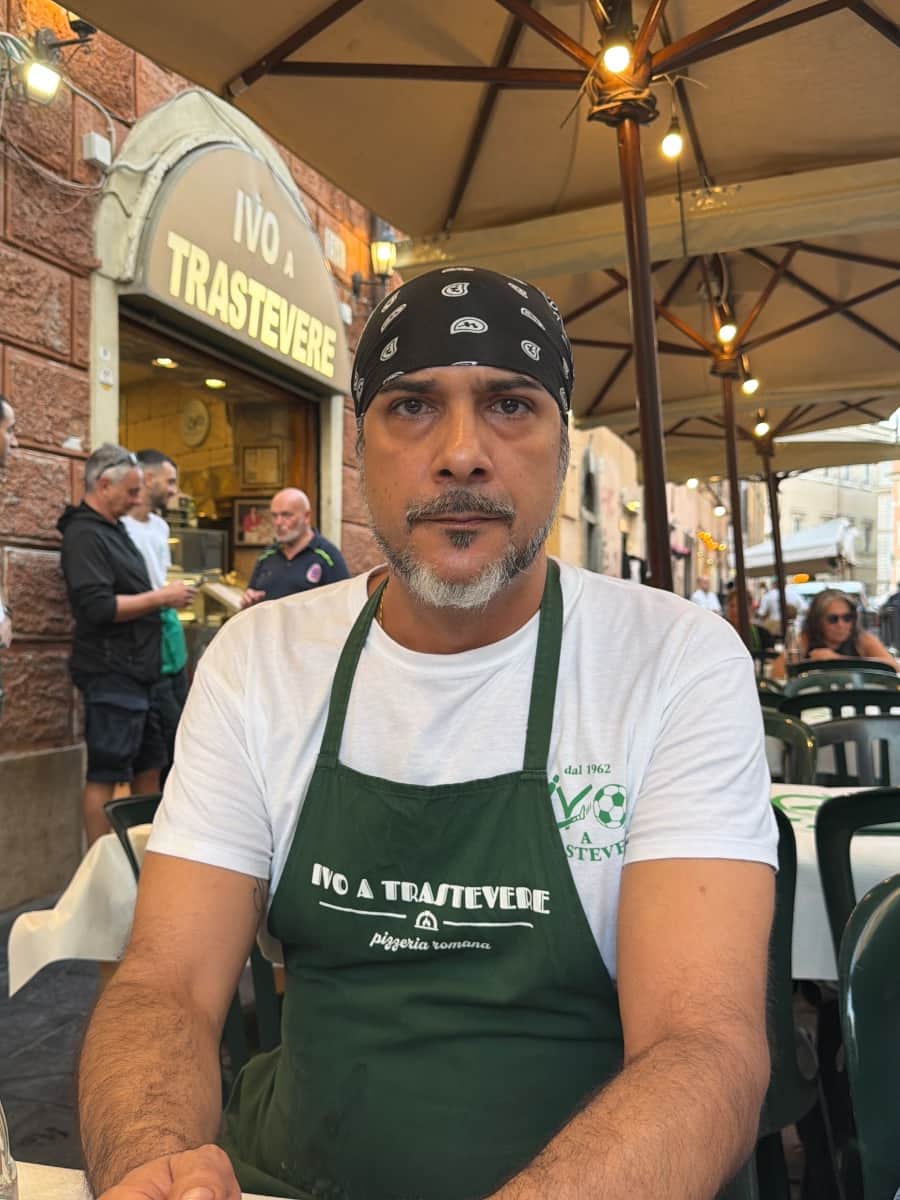
And no one mentions cream. Not to stir controversy: it simply isn’t there.
«Let’s get to the ingredients, very simple: guanciale, pecorino romano, eggs. And then, of course, skillfully cooked by our chef.»
Creamy, with guanciale that crackles
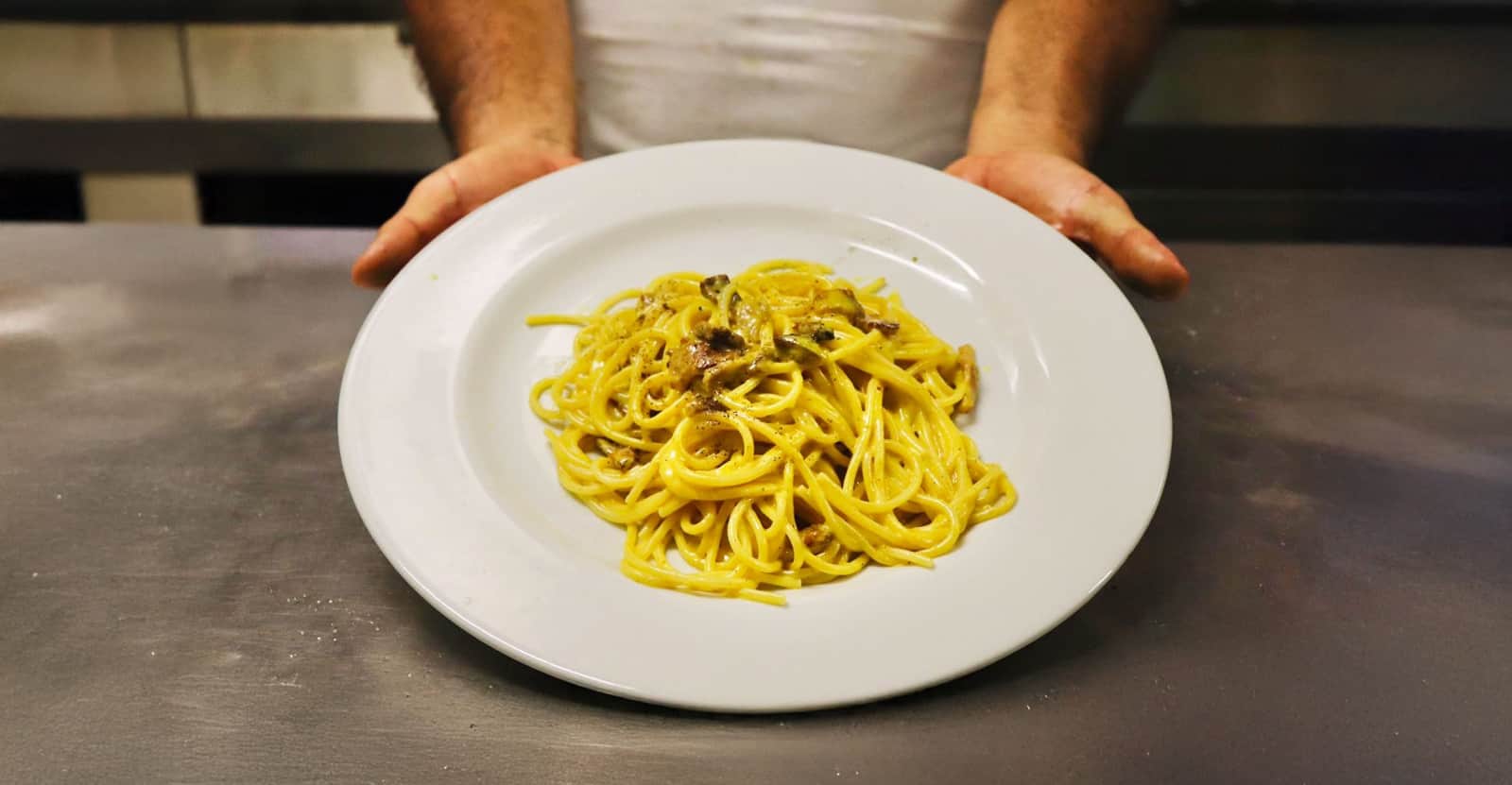
If the ingredients are always the same, the difference lies in the how. But on this the cooks say little, and the reason is simple: the how is tasted, not told. Only one sums it up in a few words, and it’s the whole technique in a nutshell: two opposite textures in the same dish, the egg cream that must not set and the guanciale that must stay crisp.
«Roman specialties, with our creamy carbonara and crispy guanciale.»
Spaghetti, rigatoni, strozzapreti
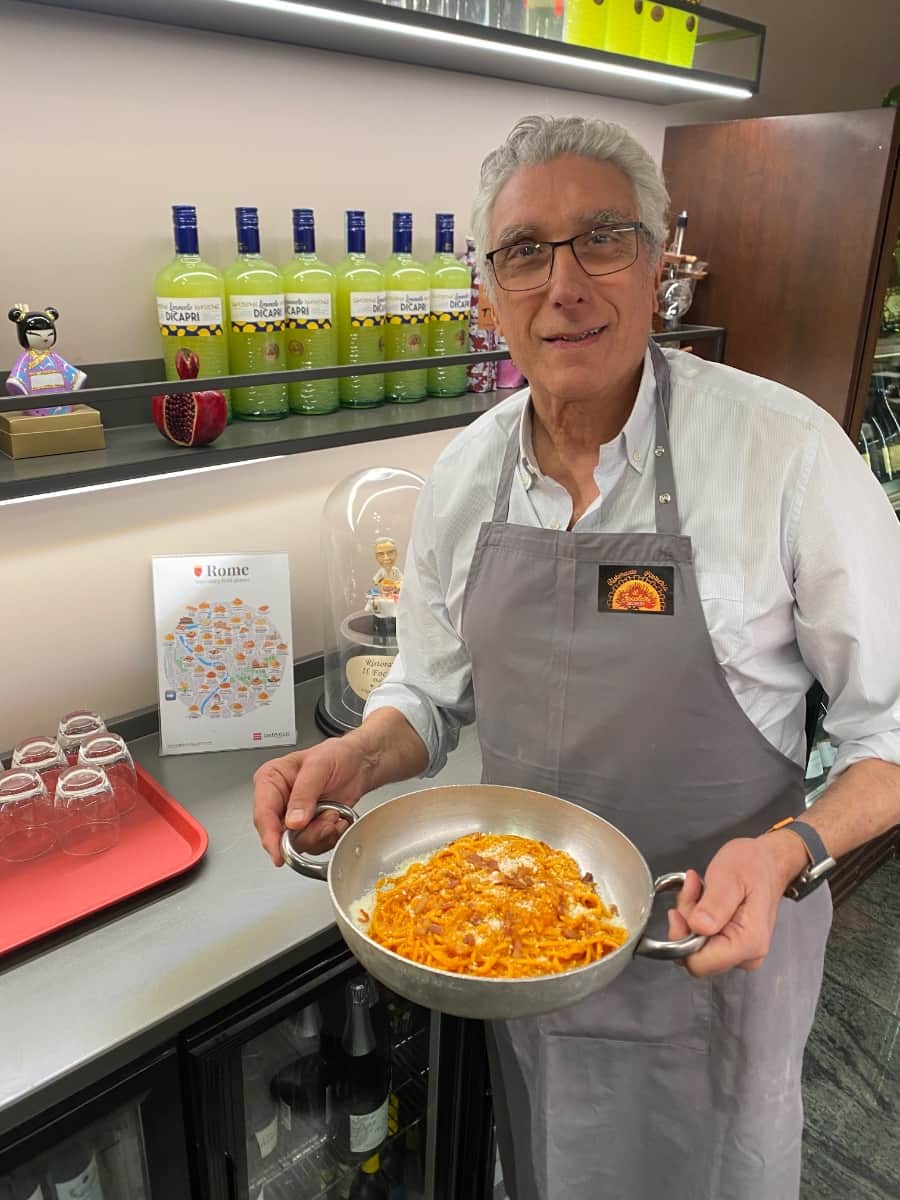
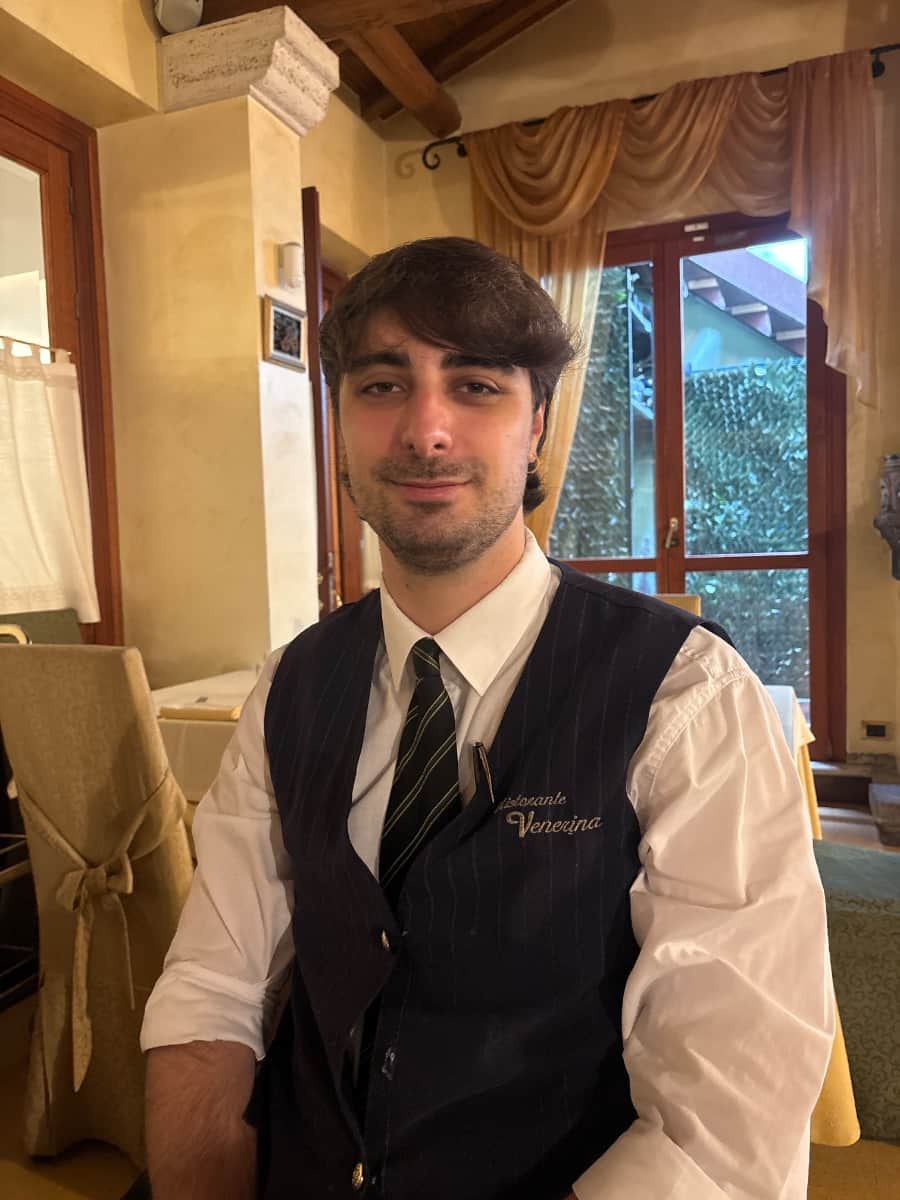
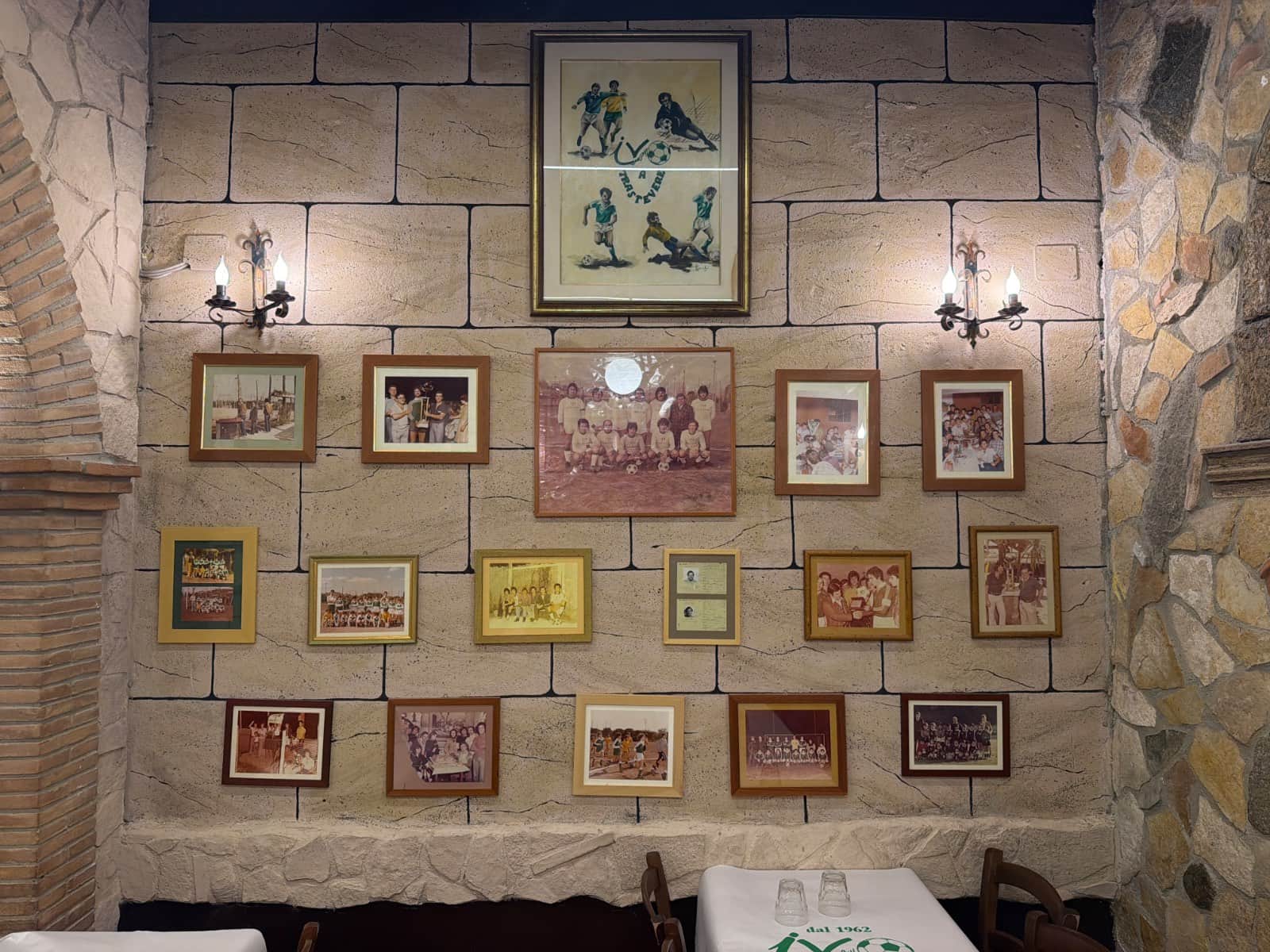
On pasta, though, Rome doesn’t agree, and the menus say it even more than the voices do. In the very places that talk about it we find spaghetti (Ivo a Trastevere, La Buca di Ripetta, Trattoria da Luigi), rigatoni (Il Focolare), rigatoncini (at Hotel Forum). At Venerina, in Borgo, the pasta is egg pasta made in-house: the carbonara is made with strozzapreti.
«You'll find homemade egg pasta here, like tonnarello cacio e pepe, strozzapreti alla carbonara or pacchero all'amatriciana.»
Those who take it elsewhere
Then there are those who start from carbonara to go somewhere else entirely. Truffle, in two very different places: a restaurant with 1,200 labels in the cellar in Monteverde and a neighborhood trattoria at Piazza Bologna. And there's who makes it in three versions, because everyone wants to eat carbonara, even those who can't.
«Our carbonara with truffle, which is famous all over the world.»
«Among the most loved dishes are carbonara al tartufo and gricia with artichokes.»

«For example, we make carbonara in three versions: the regular one, a gluten-free one, and even a vegan one.»
The best in Rome (according to everyone)
There's one point all the chefs agree on: theirs is the best. Some bring proof, the awards won year after year; some honestly admit they don't know how others make it, but are just as sure of their own.
«La Pietra Scheggiata, the place of carbonare. What else is there to say? It's the place that won awards for Rome's best carbonara in 2022, 2023, 2024 and 2025: from Il Tempo, from the newspapers, from Roma Today and from social media, on Instagram and on Facebook.»
«It's a carbonara with guanciale from Ariccia and eggs, with pecorino romano: it's a dish that, practically, we're number one in Rome at making. I don't know how the others make it, but come and taste ours, which is practically going to be the best.»
The first word on the list
But the most Roman thing of all is something else, and you can only hear it by listening. In thirteen accounts out of twenty-one, carbonara isn't explained: it's listed. Almost always among the first two, in a litany that every host recites by heart and that comes back almost identical every time: carbonara, amatriciana, cacio e pepe, gricia. There's no need to say what it is. Just naming it is enough.
«Recommended menu: in our menu you'll find all of Roman cuisine. Carbonara, amatriciana, cacio e pepe, gricia, and then pasta e fagioli. So good.»

«Then we can move on to a selection of first courses, again all the classic Roman ones: cacio e pepe, carbonara, gricia, amatriciana.»
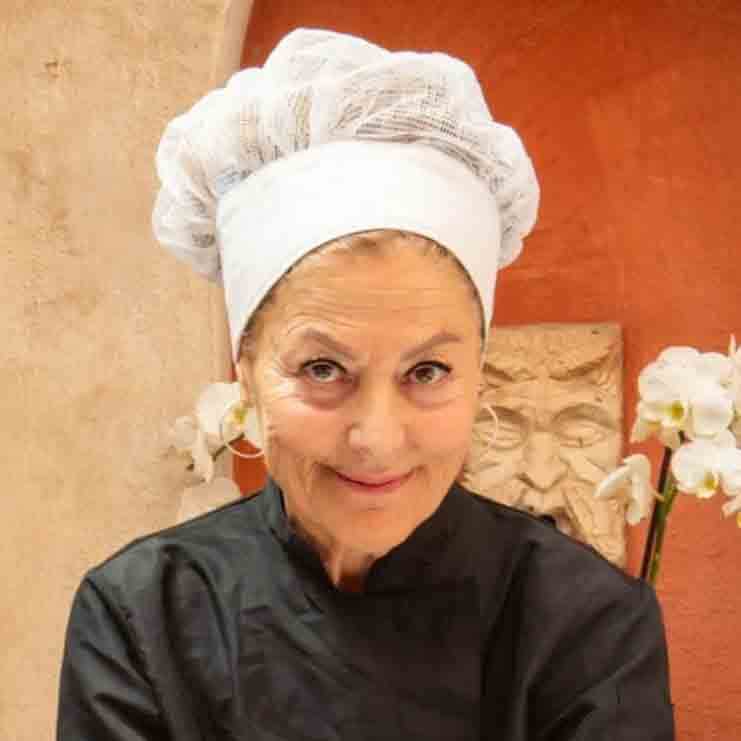
«We make the classic Roman dishes: carbonara, gricia, amatriciana, cacio e pepe.»
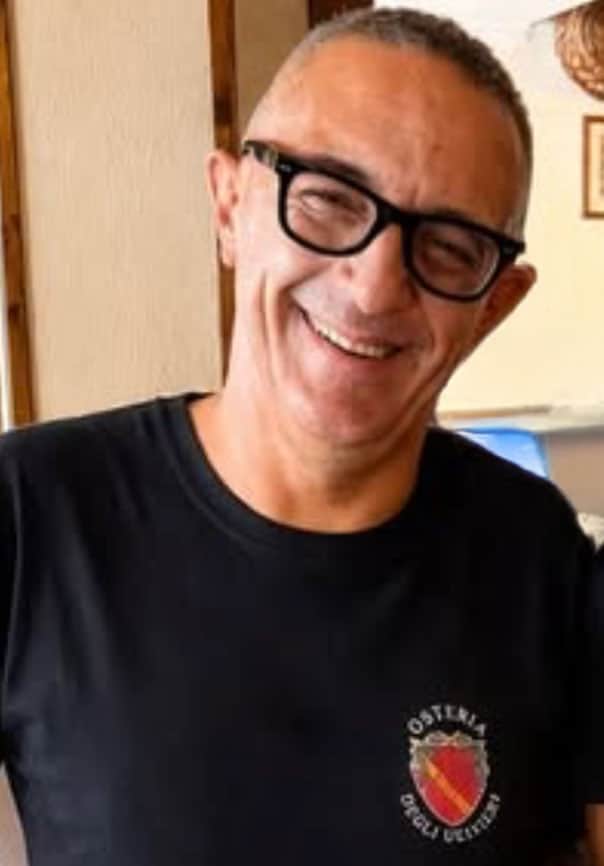
In the end, all these voices tell the story of a dish that in Rome needs no defending. It's the first one you name, it's made with three ingredients, and whoever cooks it is sure they do it better than anyone else. There's only one way to find out who's right, and that's to sit down at the table.
In the menus of the places that talk about it
Prices are those listed in the menus of the places on Menu di Roma, and update along with the menus.
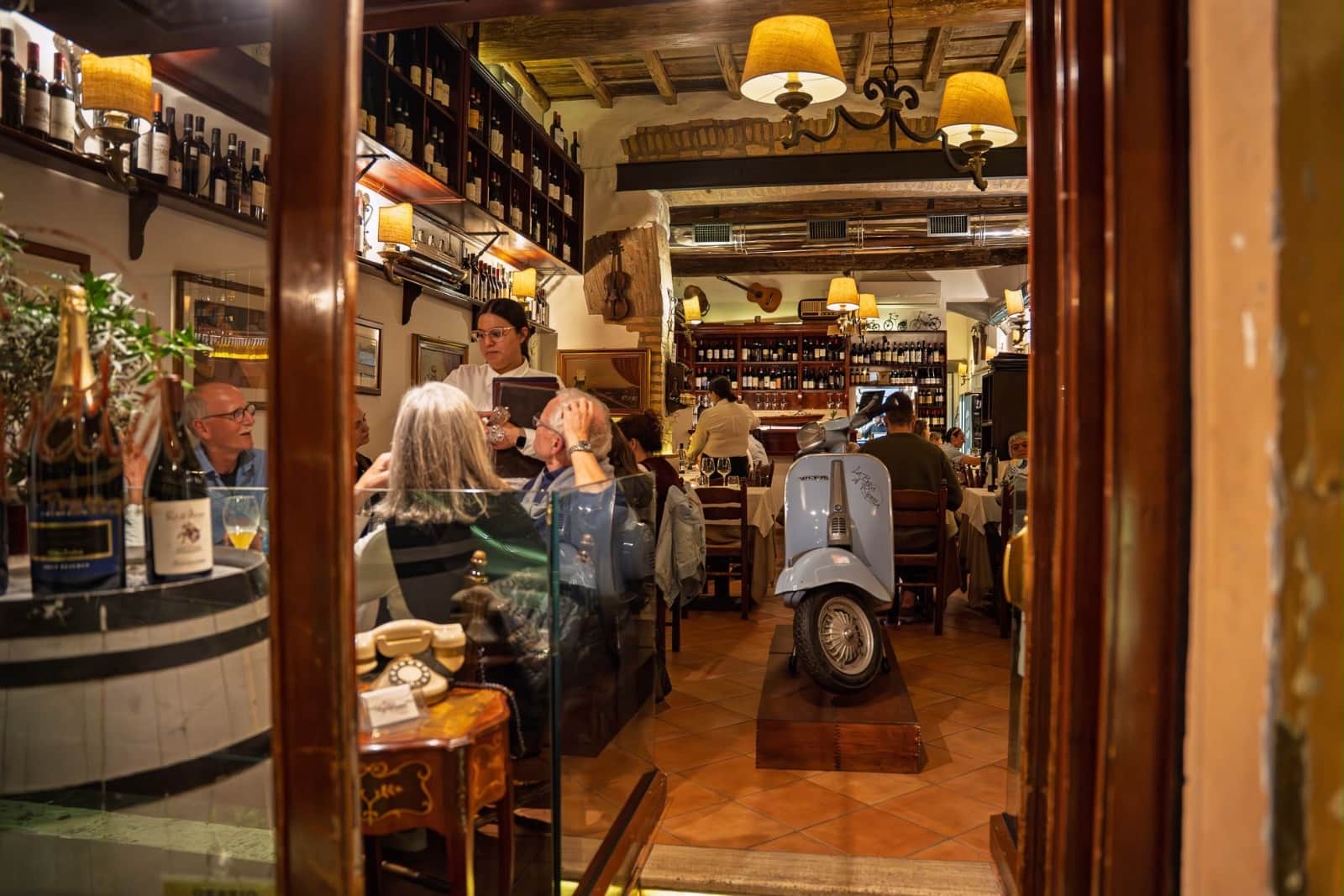
Also on the menu at I Butteri spaghetti alla carbonara 10 € · Fattoincasa by La Danesina spaghetti alla carbonara 12 € · Piccolo Abruzzo spaghetti alla carbonara 12 € · L’Archetto II carbonara 13 € · L'Oste del Boschetto tonnarelli alla carbonara 14 € · Consolini carbonara 14 € · Mastro Giorgio carbonara 14 € · Il Giardino Romano spaghetti alla carbonara 14 € · Suburra 1930 rigatoni alla carbonara 14 € · Piccolo Arancio rigatoni alla "carbonara" 15 € · Da Bruno ai Quattro Venti paccheri alla carbonara di mare 15 € · Porto di Ripetta rigatoni fatti in casa alla carbonara 15 € · Da Cesare spaghettoni di pasta fresca alla carbonara 16 € · Ba Ghetto spaghetti alla carbonara con petto d'oca affumicato 16 € · Ristorante Ar Galletto mezzo pacchero alla carbonara 18 € · Il Bacaro ristorante carbonara al tartufo 18 € · Ristorante Camponeschi paccheri alla carbonara "estiva" con uovo mimosa e tartufo nero di stagione 40 €
Written by the Menu di Roma editorial team with the support of AI tools. Quotes are the words spoken by restaurant owners in the voice messages published on their pages: we’ve only corrected the errors of automatic transcription. Each one’s full story is on their page.
Read also
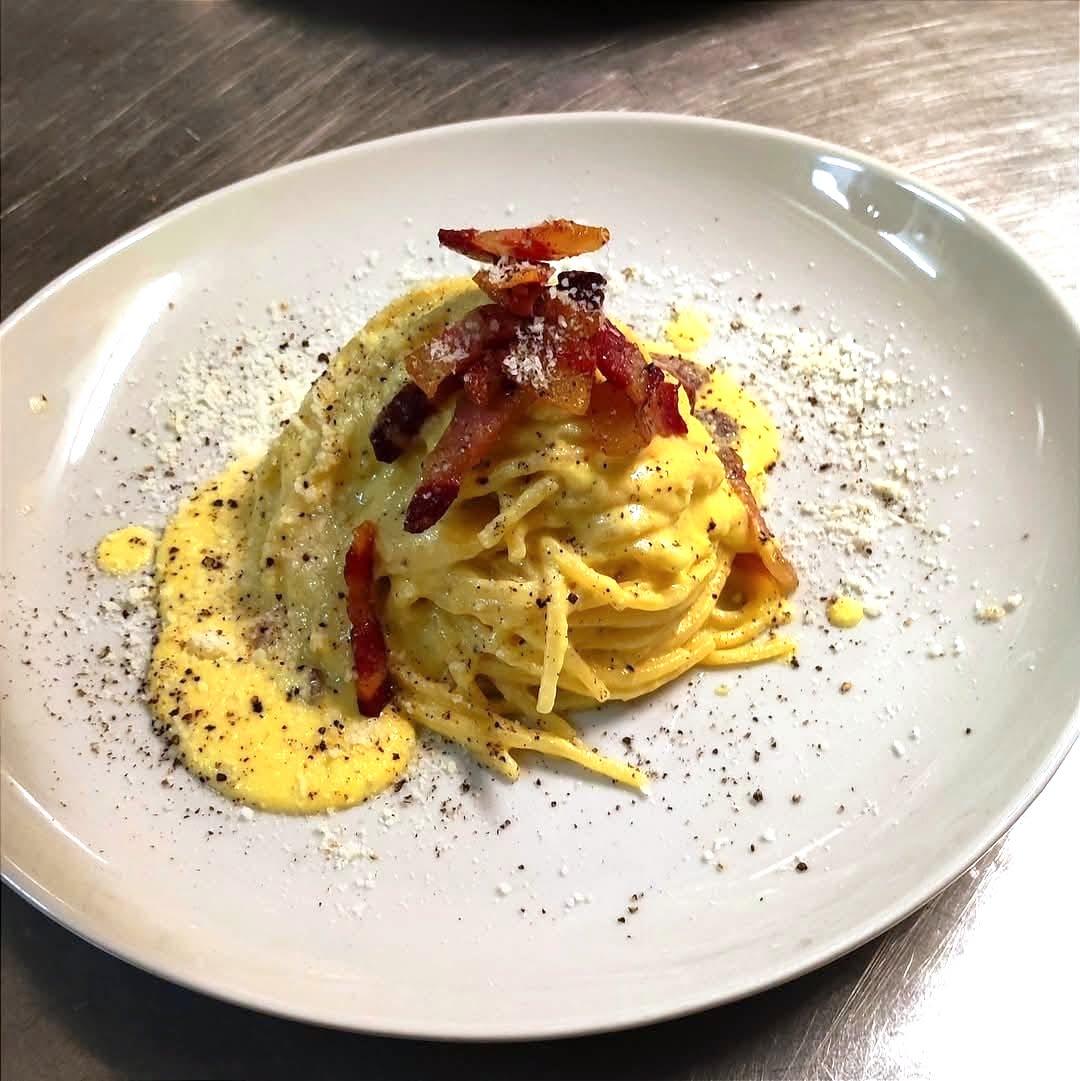
How much does carbonara cost in Rome: from the €10 spaghetto to the €40 pacchero with truffle
Spaghetto, rigatone or pacchero, with truffle or without: Rome's carbonaras lined up by price, and what makes each one different from the others.
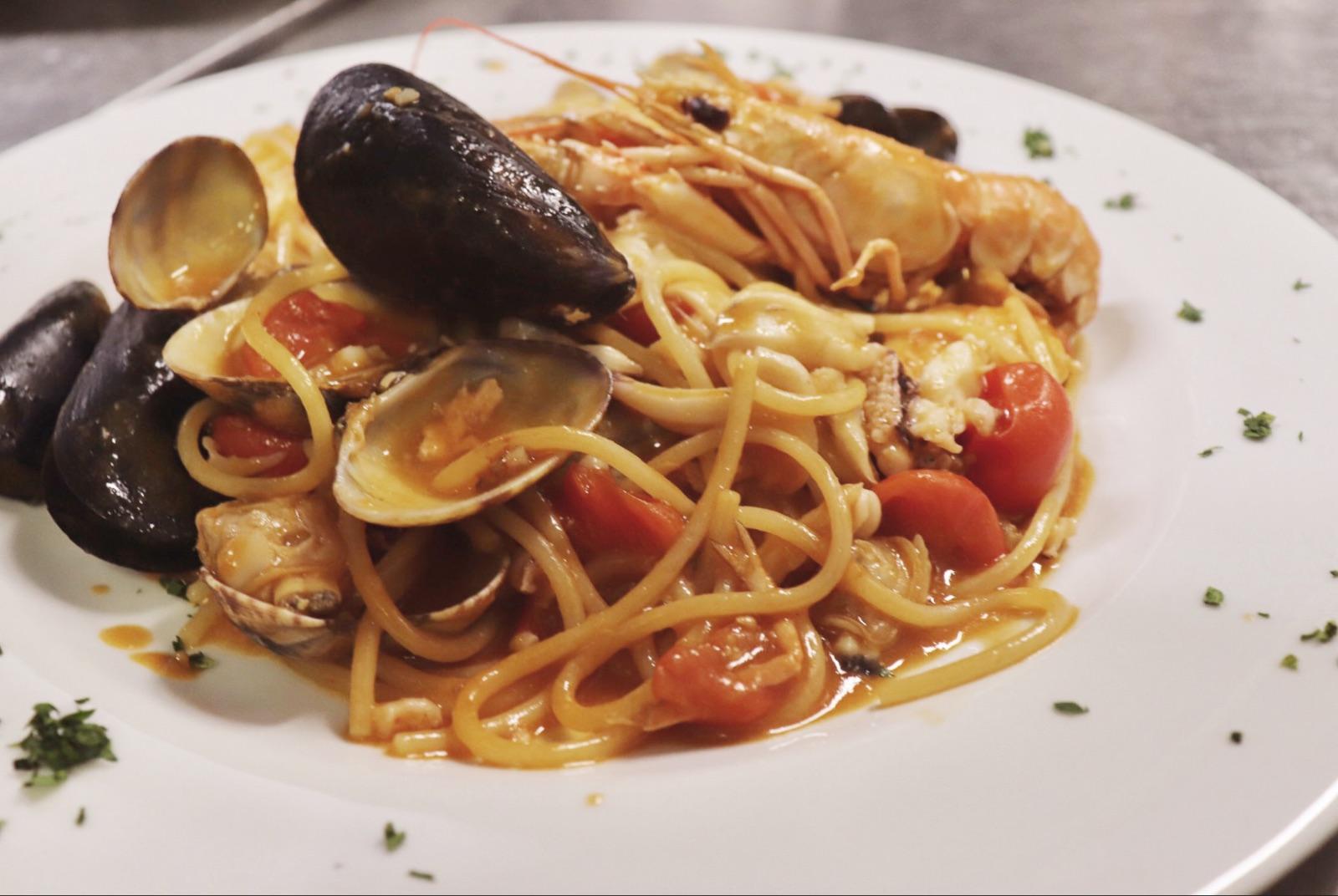
Clams that don't like to be alone
In chefs' stories they almost always show up with mussels, prawns and artichokes. On the menu, though, plain spaghetti alle vongole is alive and well.
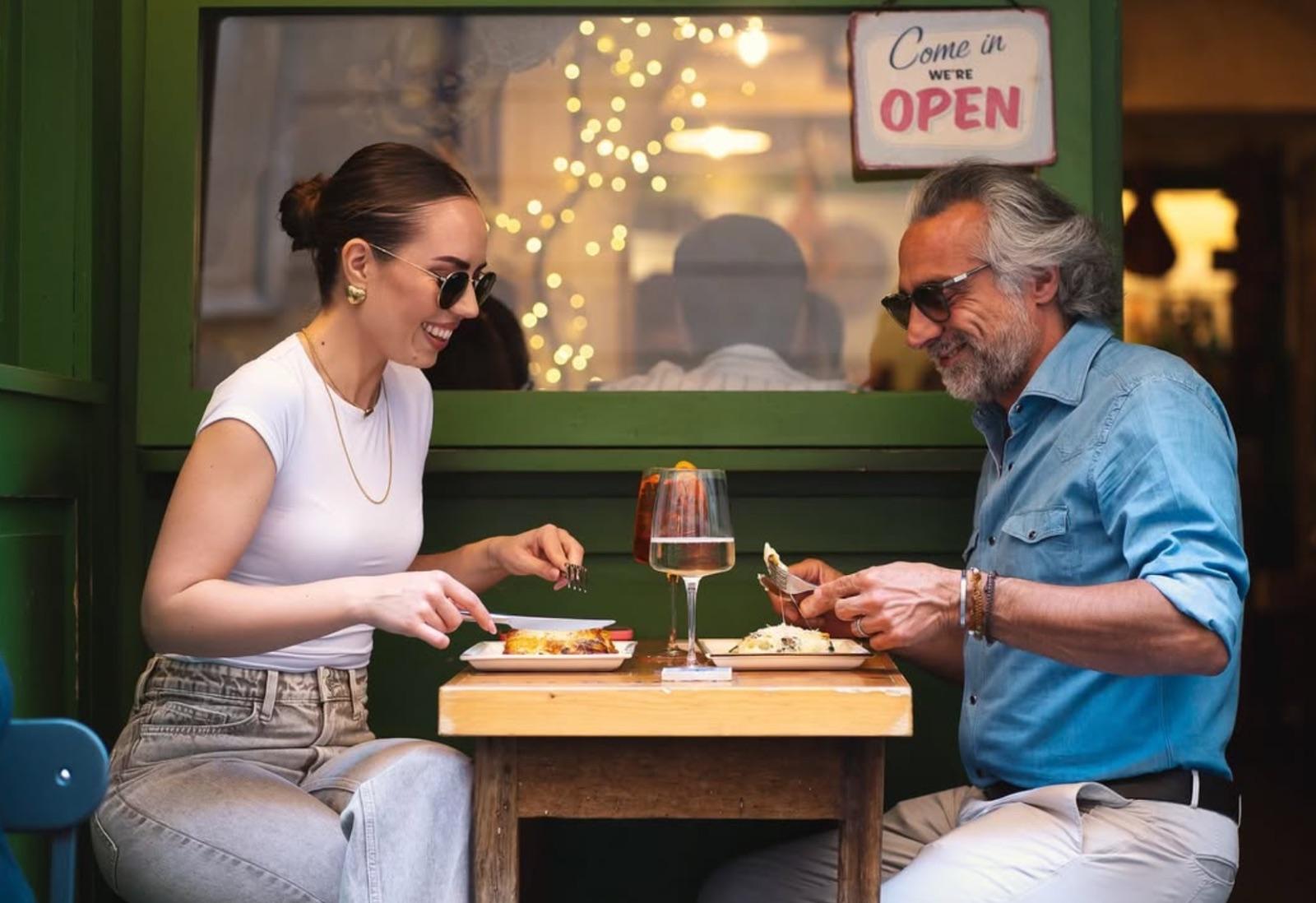
Five addresses in Campo Marzio
Between via del Vantaggio, via Belsiana and via di Ripetta, five different ways of sitting down to eat: the pizzeria that never closes, the trattoria that never changes, the restaurant that tells the story of its own name.